The Role of Property Inspections in Preventing Costly Repairs
May 5, 2026
Property ownership comes with long-term responsibility, and one of the most critical aspects of protecting that investment is regular property inspections. Many structural issues and maintenance problems begin small and remain unnoticed until they develop into expensive repairs. A well-timed inspection helps identify these early warning signs before they escalate into major damage. Whether it is residential, commercial, or rental property, inspections serve as a proactive safeguard against unexpected financial burdens.
In today’s real estate and construction landscape, preventive maintenance has become more important than ever. Rising material costs, aging infrastructure, and environmental stressors have increased the risk of sudden property deterioration. Property inspections provide clarity, allowing owners to understand the true condition of a building and take informed action. This process not only extends the lifespan of structures but also supports long-term financial stability. By addressing minor issues early, property owners avoid emergency repairs that often come with higher costs and disruption. Regular evaluations create confidence in asset management and help maintain property value over time.
Understanding Property Inspections and Their Purpose
What Property Inspections Involve
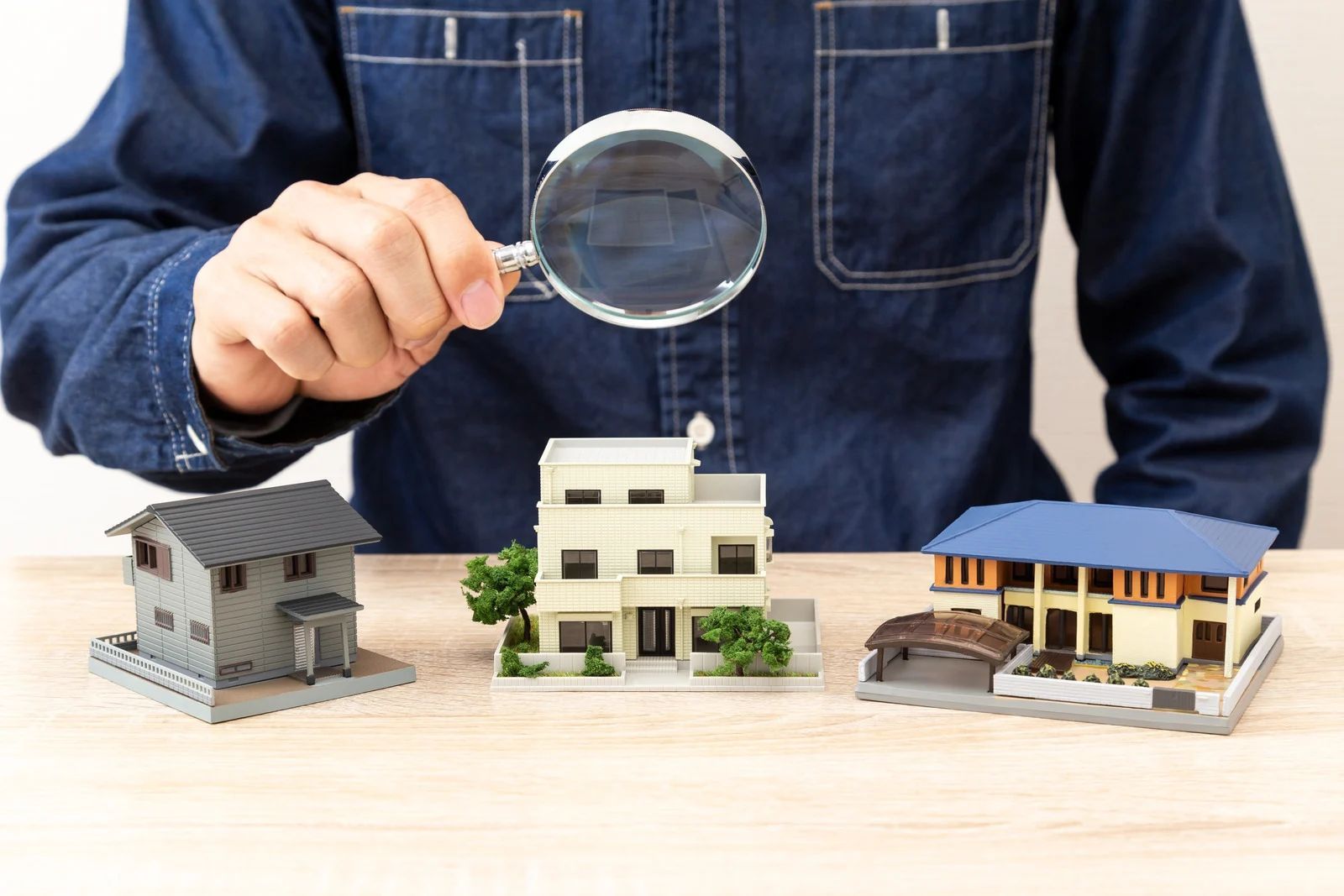
Property inspections are structured evaluations of a building’s condition, covering structural, mechanical, electrical, and plumbing systems in detail. These assessments help identify existing issues and potential risks that may not be visible during daily use or routine observation. A detailed inspection report highlights areas requiring immediate attention and prioritizes repairs based on severity and urgency for better decision-making.
Why Inspections Matter for Property Health
The primary purpose of inspections is prevention rather than reaction, helping avoid expensive corrective actions later. Small issues such as minor leaks, cracks, or insulation gaps often go unnoticed until they cause larger damage over time. Regular assessments ensure these concerns are detected early, preserving the structural integrity of the property and reducing long-term maintenance challenges significantly.
Types of Inspections in Property Management
Different inspections serve different purposes depending on the property condition and ownership goals. Routine maintenance inspections focus on general wear and tear, while specialized inspections target specific systems like roofing or foundations. Pre-purchase inspections help buyers understand property conditions before investment decisions. Each type plays a role in reducing long-term repair costs and improving asset reliability.
Role in Long-Term Maintenance Planning
Inspection findings support structured maintenance planning by providing clear, actionable insights for property owners. Instead of reacting to sudden breakdowns, property owners can schedule repairs strategically over time. This reduces disruption, improves operational continuity, and helps manage maintenance budgets more efficiently while ensuring consistent property performance and long-term structural stability.
How Inspections Prevent Major Structural Repairs
Early Detection of Structural Weakness
One of the most valuable benefits of property inspections is early detection of structural damage before it worsens. Issues such as foundation shifts, wall cracks, or roof deterioration often begin subtly and remain hidden. Identifying these early allows corrective action before stability is compromised and prevents costly reconstruction or major restoration work later.
Preventing Water and Moisture Damage
Water intrusion is one of the leading causes of expensive property repairs and long-term structural deterioration. Inspections help locate leaks, drainage issues, and moisture buildup that may lead to mold growth or weakening materials. Addressing these concerns early reduces long-term repair requirements and protects indoor environments from serious damage risks.
Electrical and Plumbing Risk Management
Faulty wiring or aging plumbing systems can lead to serious hazards if ignored for extended periods. Inspections ensure these systems are functioning safely, efficiently, and within acceptable standards. Early repairs reduce the risk of electrical failures, pipe bursts, and related property damage, helping maintain safety and preventing costly emergency interventions.
Real-World Scenario Example
A minor roof leak may initially appear insignificant and easy to ignore by property owners. However, over time, it can damage insulation, ceilings, walls, and interior finishes extensively. A routine inspection identifies the issue early, allowing a simple repair instead of a full roof replacement and costly interior restoration work later.
Reducing Emergency Repair Situations
Emergency repairs are often costly, disruptive, and difficult to manage under pressure. Inspections reduce the likelihood of sudden breakdowns by ensuring systems are regularly monitored and maintained. This proactive approach helps avoid urgent contractor callouts, inflated service costs, and unnecessary stress during unexpected property failures or structural emergencies.
Cost Savings and Financial Planning Benefits
Lower Long-Term Repair Expenses
Preventive inspections significantly reduce long-term maintenance costs by identifying problems early. Small repairs identified during inspections are far less expensive than major structural replacements or emergency fixes. This approach helps property owners avoid financial strain caused by unexpected breakdowns and supports more controlled and predictable maintenance spending over time.
Improved Budget Forecasting
Inspection reports provide clear and detailed insight into future maintenance needs across different property systems. This allows property owners to allocate funds in advance rather than reacting to emergencies. Predictable budgeting strengthens financial planning, reduces uncertainty, and ensures resources are available when repairs or upgrades become necessary without delay.
Protection of Property Value
A well-maintained property consistently retains higher market value and stronger buyer interest over time. Regular inspections ensure that both visible and hidden issues are addressed promptly before worsening. This makes the property more attractive to buyers or tenants while preserving its structural integrity and long-term investment potential in competitive markets.
Insurance and Liability Advantages
Some insurance providers consider maintenance history when processing claims or evaluating risk levels for properties. Properties with regular inspection records may experience smoother claim approvals and fewer disputes. Additionally, identifying hazards early reduces liability risks for owners and ensures safer living or working conditions across all property areas.
Common Issues Detected Early Through Inspections
Foundation and Structural Cracks
Foundation cracks often develop due to soil movement, moisture changes, or natural aging of construction materials. Early detection through inspections prevents structural instability and avoids costly reinforcement or rebuilding work later. Addressing these issues at an early stage ensures long-term safety and maintains overall property strength and durability.
Roofing Wear and Drainage Problems
Roof damage is one of the most common findings during property inspections across all building types. Missing shingles, poor drainage, and weak sealing can allow water penetration over time. Identifying these issues early helps prevent interior damage, reduces repair costs, and extends the overall lifespan of the roofing system.
Plumbing Leaks and Pipe Deterioration
Small plumbing leaks behind walls or under flooring often go unnoticed for long periods without inspections. These hidden issues can lead to water damage, mold growth, and structural weakening if left unresolved. Inspections help locate these problems early, allowing timely repairs that prevent larger and more expensive restoration work.
Electrical System Wear
Outdated wiring, overloaded circuits, and faulty electrical connections present serious safety hazards if not addressed promptly. Regular inspections ensure electrical systems remain compliant, functional, and safe for use. Early identification of electrical issues reduces risks of fire hazards, system failures, and costly emergency electrical repairs within properties.
Pest and Environmental Damage
Inspections often reveal early signs of pest infestation or environmental wear affecting structural components. Termites, rodents, or moisture-related damage can weaken materials over time if ignored. Addressing these issues early prevents extensive structural deterioration and helps maintain hygiene, safety, and long-term durability of the property environment.
Best Practices for Scheduling and Maximizing Inspection Value
Establishing a Regular Inspection Schedule
Consistent scheduling is essential for effective property maintenance and long-term asset protection. Annual or bi-annual inspections help maintain awareness of property conditions and reduce the risk of unnoticed deterioration. Regular evaluations ensure timely identification of issues, allowing proactive maintenance planning and improved structural reliability across all systems.
Choosing Qualified Inspectors
Experienced inspectors provide accurate assessments, detailed reporting, and reliable recommendations for property maintenance. Expertise ensures that even minor issues are identified before they develop into major problems. Proper evaluation and documentation help property owners make informed decisions, prioritize repairs, and maintain consistent structural safety and long-term property performance.
Acting on Inspection Reports Promptly
Inspection value depends heavily on timely follow-through and corrective action after findings are reported. Addressing identified issues quickly prevents escalation and reduces long-term repair costs significantly. Delayed action often leads to compounded damage, higher expenses, and increased risk of structural deterioration affecting overall property condition and safety.
Combining Inspections with Preventive Maintenance
Inspections work best when paired with ongoing preventive maintenance activities throughout the year. Regular cleaning, servicing, and minor repairs help maintain structural health between inspection cycles. This combined approach reduces unexpected breakdowns, improves system performance, and extends the lifespan of critical property components over time.
Reliable Property Assessment Services Driving Cost Reduction Results
Property inspections play a critical role in preserving structural integrity and minimizing repair costs. By identifying issues early, property owners avoid unexpected financial burdens and maintain safer, more stable buildings. Regular inspections support better maintenance planning, reduce emergency situations, and extend the lifespan of essential systems. From foundation concerns to plumbing and roofing issues, early detection ensures problems are addressed before they escalate into major repairs. This proactive approach strengthens both residential and commercial property management strategies. Reliable inspection practices create long-term value by maintaining property performance and reducing overall maintenance risks. Consistent monitoring and timely repairs build confidence in asset condition and support sustainable ownership.
3H Management
in Sylacauga, AL, brings over 20
years of experience in property management and inspection-related oversight. We focus on maintaining strong property standards through structured evaluation and preventive planning. Our approach ensures property owners receive clear insights into building conditions, allowing informed decisions that protect long-term value. We emphasize dependable service, detailed assessments, and practical maintenance strategies that support safer and more efficient property ownership across every stage of management.