
Personal vs Business Storage Units: What's the Difference
October 24, 2026
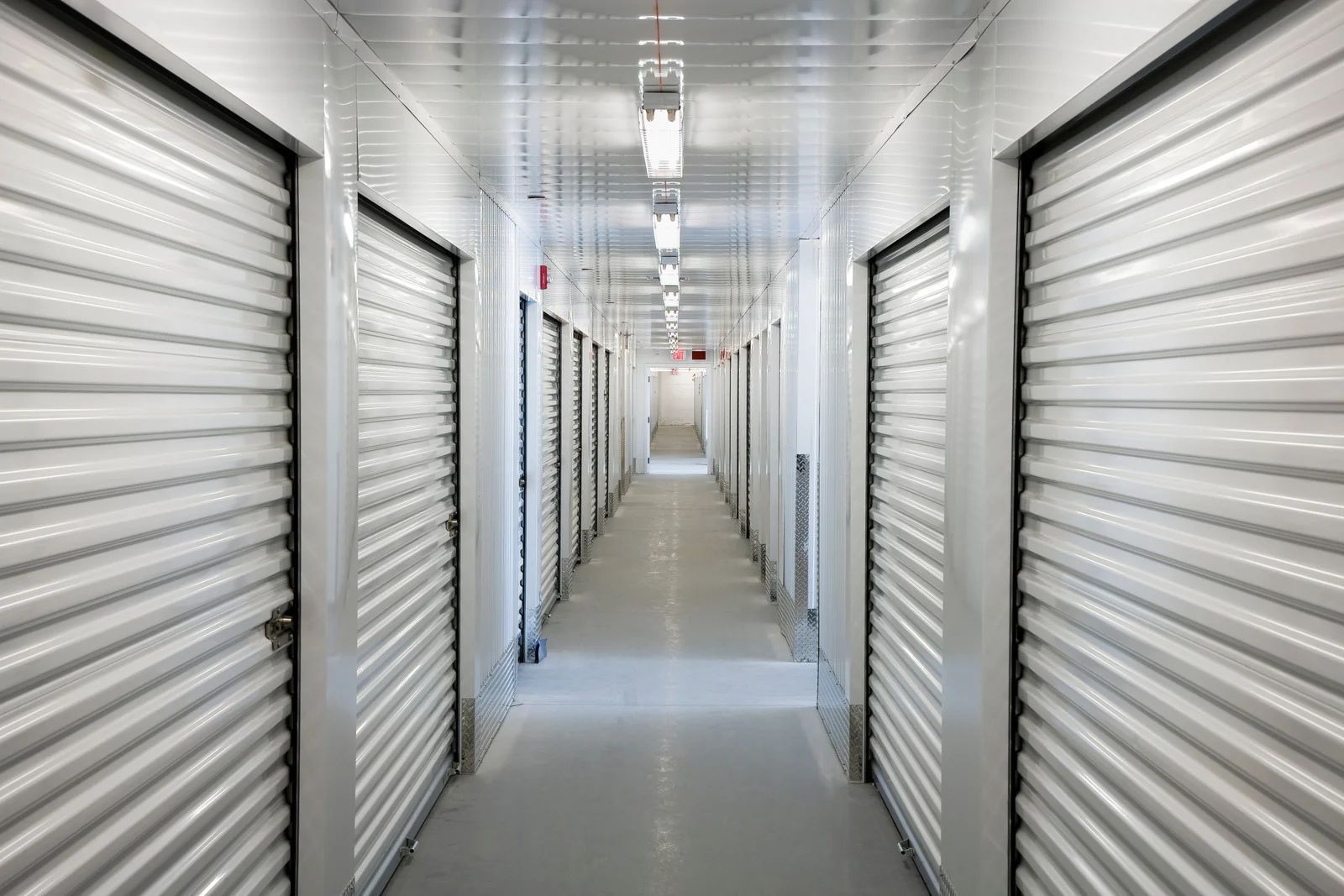
Quick Answer: Personal storage holds household belongings such as furniture, appliances, seasonal decorations, and everyday items during a move, a renovation, or a long stretch when you simply need the room. Business storage holds inventory, equipment, office furniture, and archived records, and it works best when it is organized for quick retrieval. The unit itself is similar. What changes is how often you open it, how you arrange it, and how you track what is inside.
A homeowner in Alexander City is halfway through a kitchen renovation. The dining set is in the garage, the seasonal decorations are stacked in a spare bedroom, and the old refrigerator has nowhere to go until the new one arrives. Across town, the owner of a small shop has a back room full of inventory boxes, a retired desk, and a filing cabinet of old records that nobody has opened in a year. Both people need more room. Both are looking at the same kind of storage unit.
On paper, their needs look alike. In practice, the two will use that unit in very different ways. One will visit twice a year and hope nothing has changed. The other will open the door every week and needs to find one specific box in under a minute. That gap is the real difference between personal and business storage, and understanding it helps you pack the right way and pick the right setup.
This guide breaks down both uses, based on what our storage units page describes for Alexander City, Tallapoosa County, and the Lake Martin area. It covers what belongs in each, how the habits differ, and how to avoid the mistakes that trip people up most often.
What Personal Storage Is Built For
Personal storage is the everyday household use. Our storage page lists furniture, appliances, seasonal decorations, and household items as the common contents. People rent a unit for several reasons, and the page names three of the biggest: relocations, renovations, and long term storage.
Moving
Closing on one home before the next one is ready is common. A unit holds the household for a few weeks or a few months until the new place is open.
Renovating
A kitchen, bathroom, or flooring project pushes furniture and belongings out of the way. A unit keeps them clean, dry, and out of the work zone.
Making room
Some households just have more than the house can hold. Holiday decorations, a second dining set, a child's outgrown furniture, or a relative's belongings all fit that category.
The common thread is that personal storage is usually about keeping things safe, not about using them. The items go in, the door closes, and the unit sits quietly until the move, the renovation, or the season ends.
What Business Storage Is Built For
Business storage covers a different set of items. The page lists inventory, equipment, office furniture, and archived records. Those are things a business owns and may need again, but does not need on the shop floor or in the office every day.
Inventory
Overflow stock, seasonal merchandise, or bulk orders that do not fit the back room.
Equipment
Tools, display fixtures, and machines that are used on some jobs and idle on others. The page also mentions business display items and specialty tools as common long term storage.
Office Furniture
Desks, chairs, and shelving left over after an office is reorganized or while a space is being redone.
Archived Records
Files that a business wants to keep but does not need at arm's reach.
The thread here is different. Business storage is a working space. Things move in and out on a schedule that follows orders, jobs, and seasons, and the person who opens the door may not be the person who packed it.
The Real Differences, Side by Side
Because the unit is the same, the differences show up in how people use it. Here is where personal and business storage tend to split.
How Often The Door Opens
Personal storage is accessed occasionally, while business storage may require weekly or more frequent visits.
How It Is Arranged
Personal storage prioritizes fragile belongings, while business storage benefits from designated zones for different item categories.
Who Needs To Find Things
Households may rely on one person's knowledge, while businesses need clear labels and inventories for employee access.
How Long Things Stay
Personal storage often serves a temporary purpose, while business storage may continue indefinitely as inventory changes.
What A Mistake Means
Misplacing household belongings causes inconvenience, while losing track of business inventory can delay orders and disrupt jobs.
TIP: Before you rent anything, write a list of what you plan to store and how often you expect to open the unit. If the answer is "once or twice," pack for protection. If the answer is "every week," pack for retrieval. That one answer shapes everything else.
What Both Types Need to Protect
No matter who is renting, the contents face the same threats. Our storage page describes the units as protecting items from humid conditions, seasonal storms, and environmental exposure. That matters in central Alabama, where humidity builds through the summer and heavy storms are part of the year. A garage or a back shed rarely handles those conditions as well as a purpose built unit.
Moisture is the quiet problem. Damp air can leave a musty smell on fabric, swell wood, spot paper, and corrode metal. Dry packing is the first defense, and the storage page recommends several ways to do it.
- Use protective covers over furniture and equipment
- Pack belongings in sturdy boxes
- Add moisture absorbers
- Keep items off the floor with raised pallets - Store electronics dry, with batteries removed when possible
- Use sealed plastic containers to reduce pests and moisture problems
Guidance from public libraries and archives agrees on the principle for paper and photos. Cooler and drier conditions keep them in better shape, damp basements and garages should be avoided, and shelves are safer than the floor. That applies to a family's old photographs and to a business's archived records alike.
Packing a Personal Unit
Personal storage rewards care at the start because the contents may sit untouched for a long time.
Start With An Inventory
Create a household inventory before renting storage to choose the right unit size and locate important belongings easily.
Clean And Dry Everything
Clean and thoroughly dry furniture and appliances before storage, leaving appliance doors slightly open to prevent trapped moisture.
Cover Furniture With Breathable Material
Protect hard surfaces with moving blankets and use breathable covers for upholstery and mattresses to reduce moisture buildup.
Take Apart What Can Be Taken Apart
Disassemble beds, tables, and shelves, then label hardware bags and attach them to their corresponding furniture pieces.
Place Heavy Items First
Position heavy furniture along the back and sides, placing boxes on sturdy surfaces rather than delicate items.
Leave A Walkway
Keep a clear walkway through the unit and place frequently used seasonal belongings near the entrance for convenient access.
WARNING: Do not store hazardous materials, flammable liquids, explosives, or perishable food. These are listed as prohibited on our storage page, and they create real danger or attract pests in a closed space.
Packing a Business Unit
Business storage rewards a system. The goal is to find any item quickly, and to let anyone on the team do it.
Zone The Space
Divide the unit by category. Office supplies in one section, seasonal stock in another, equipment in a third, and records in a fourth. Keep the layout consistent so staff never have to guess.
Label Everything
Every box, bin, and shelf gets a clear label that matches a written inventory. Include a short description, a date, and a location code.
Use Shelving And Pallets
Shelving makes use of vertical space and keeps boxes off the floor. Raised pallets do the same for heavier items.
Store Records With Care
Archived records are paper, and paper is the first thing humidity attacks. Use sturdy boxes with lids, keep them off the floor, and avoid placing them near the unit's entrance, where weather exposure is most likely.
Keep Walkways Clear
A business unit is a working space. Clear aisles make it safe and quick to move through, and they allow you to inspect the contents.
Put The Fast Movers In Front
Items you grab weekly belong near the door. Slow movers go to the back.
Short Term or Long Term
The other split on our storage page is about time. Short term storage covers a move or a property renovation. Long term storage covers seasonal, recreational, business display, and specialty tool items.
Both personal and business renters can fall into either category. A family may store camping gear or other recreational items through the off season, which is long term. A business may park displays and fixtures for a trade event or a remodel, which is short term. The planning question is the same: how long will it stay, and what happens to it while it sits?
For long stays, schedule a check. The page recommends inspecting the unit every few months. A quick visit catches a moisture problem, a pest issue, or a shifted stack long before it damages anything. For short stays, a thorough pack at the start usually does the job.
How to Choose Between the Two
If you are still unsure which fits you, a few questions will sort it out.
What are you storing? Household goods point to personal storage. Stock, tools, office items, and records point to business storage.
How often will you visit? Rarely means pack for protection. Often means pack for retrieval.
Who else needs access? If employees or helpers will use the unit, build in labels and an inventory from day one.
How long will it stay? A move or a renovation is short term. A seasonal cycle or ongoing stock is long term.
What happens if something is damaged? If the answer is "I would be upset," choose better covers and keep everything off the floor. If the answer is "an order will be late," build a system of labels and zones.
Many people use both. A small business owner might keep a shop's overflow in one unit and the family's seasonal items in another. The categories are a guide, not a barrier.
Frequently Asked Questions
What is the main difference between personal and business storage?
The difference is in the contents and the habits. Personal storage holds household goods such as furniture, appliances, and seasonal items. Business storage holds inventory, equipment, office furniture, and archived records. Business units are usually opened more often and need a more organized layout.
Can I store business items in a personal unit?
The units themselves are similar, so the better question is whether the setup fits your needs. If you will open the unit often and several people need to find things, plan for shelving, labels, and an inventory. Ask the team about your situation before you rent.
What should never go in a storage unit?
Our storage page lists hazardous materials, flammable liquids, explosives, and perishable food as prohibited. Leave them out entirely. They create danger in a closed space, and food draws pests.
How do I protect stored items from humidity?
Clean and dry everything before it goes in. Use protective covers, sturdy boxes, moisture absorbers, and sealed plastic containers. Keep items off the floor on pallets or shelving, and store electronics dry with the batteries removed when possible.
How often should I check on a unit?
The storage page suggests inspecting the unit every few months. A short visit lets you spot moisture, pests, or shifting boxes early. Business units that are opened regularly get this check naturally.
How do I know what size I need?
Start with an inventory list of everything you plan to store. The page recommends this step before renting, because a written list shows how much room you need and helps you leave space for a walkway.
Choosing the Storage Setup That Fits Your Needs
Personal and business storage share the same walls and the same door, and what separates them is purpose. A household unit protects furniture, appliances, and seasonal items through a move, a renovation, or a long wait. A business unit keeps inventory, equipment, and records within reach of the people who rely on them. Once you know how often you will visit and who needs access, packing becomes simple, and the unit does its job without any trouble.
3H Management
has served Sylacauga, AL, for 20
years, helping households and local businesses find space that suits what they own. Customers across Alexander City, Tallapoosa County, and the Lake Martin area use these units for everything from spare furniture to shop overflow. Clean, dry packing, sensible labels, and a short check every few months keep belongings in good shape. With the right setup, your things stay protected and easy to find whenever you need them.