Seasonal Maintenance Checklist for Apartment Communities
March 18, 2026
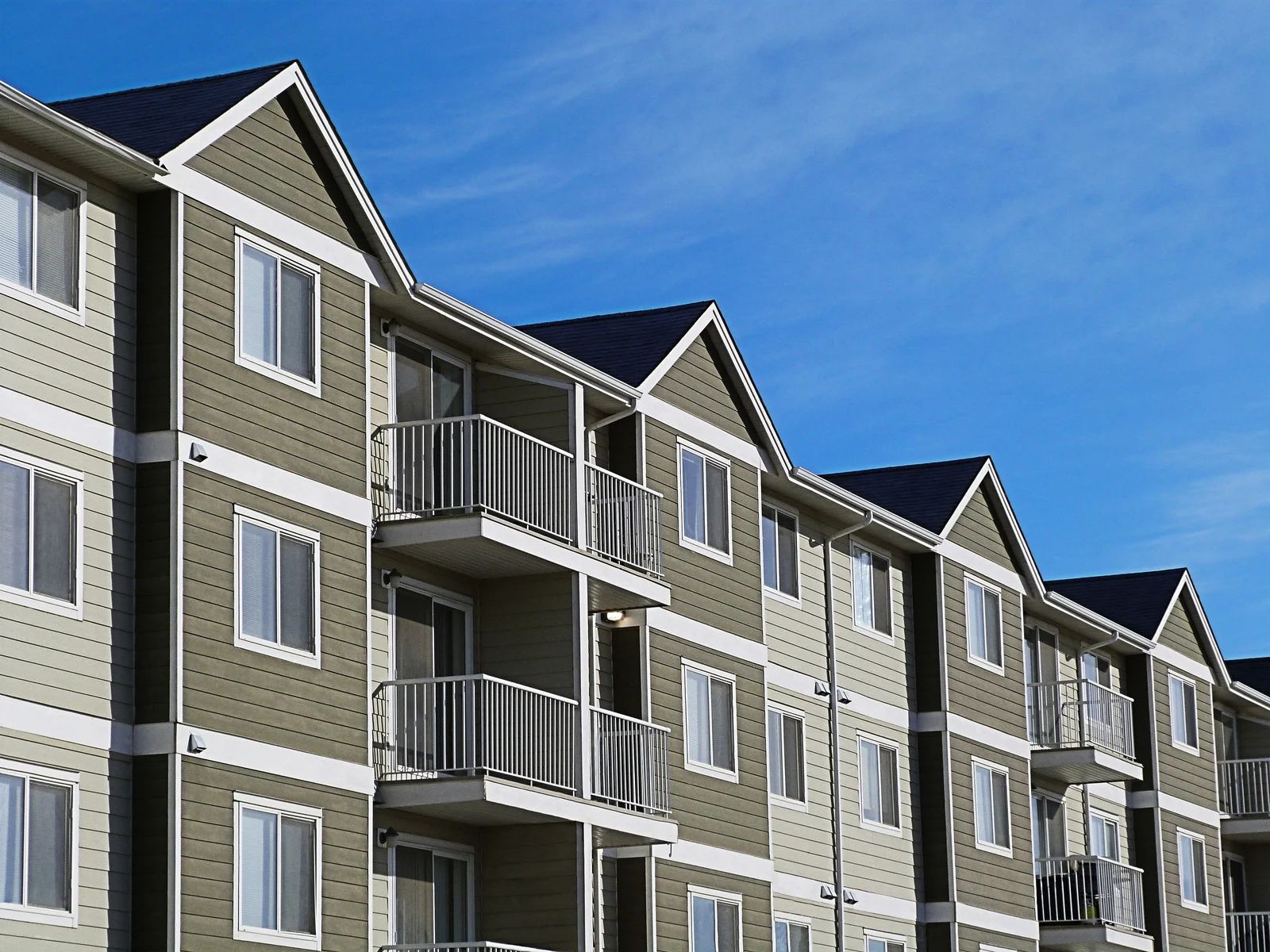
Seasonal maintenance is a critical component of successful apartment community management. As weather patterns shift throughout the year, property systems, structures, and shared spaces face changing demands that require proactive attention. From freezing winter temperatures to the wear and tear of summer heat, each season introduces specific challenges that can impact safety, tenant satisfaction, and long-term property value. Without a structured maintenance plan, minor issues can escalate into costly repairs, operational disruptions, and negative resident experiences. Proactive planning allows us to identify risks early and implement timely solutions before they affect daily operations. It also helps maintain consistency in service quality across all areas of the property.
A well-organized seasonal maintenance checklist helps us stay ahead of potential problems while maintaining a high standard of living for residents. It ensures that essential systems—such as HVAC, plumbing, roofing, and landscaping—are inspected, serviced, and optimized at the right time. Beyond preserving the physical condition of the property, consistent maintenance also demonstrates professionalism and reliability, strengthening resident trust and retention. By adopting a strategic, year-round approach, we can protect investments, reduce emergency repairs, and create a safe, comfortable environment that meets the expectations of modern apartment living. This structured approach also improves operational efficiency and supports long-term asset performance. Ultimately, it reinforces our commitment to delivering a well-maintained and dependable residential experience.
1. Spring Maintenance: Preparing for Renewal and Inspection
Inspecting Structural and Exterior Elements
Spring is the ideal time to assess any damage caused by winter weather. Freezing temperatures, snow, and ice can weaken roofing materials, siding, and walkways. We begin by inspecting roofs for loose shingles, leaks, or drainage issues. Gutters and downspouts should be cleared of debris to ensure proper water flow during seasonal rains and prevent costly water-related structural damage later.
Exterior walls, foundations, and balconies require close examination for cracks or signs of deterioration. Early detection allows us to address minor issues before they evolve into structural concerns. Parking lots and pathways should also be evaluated for potholes or uneven surfaces that may pose safety risks and create potential liability issues for property owners.
Landscaping and Curb Appeal Enhancements
Spring maintenance also focuses on revitalizing outdoor spaces. We prioritize lawn care, trimming overgrown vegetation, and planting seasonal greenery to enhance curb appeal. Healthy landscaping not only improves aesthetics but also contributes to resident satisfaction and property value while creating a more inviting and community-friendly outdoor environment overall.
Irrigation systems must be tested and adjusted to ensure efficient water distribution. Addressing leaks or inefficiencies early helps conserve water and reduce utility costs. By maintaining attractive and functional outdoor spaces, we create a welcoming environment for both current and prospective residents while supporting sustainable landscaping practices throughout the property.
2. Summer Maintenance: Managing High Usage and Heat Stress
HVAC System Optimization
Summer places significant demand on cooling systems, making HVAC maintenance a top priority. We conduct thorough inspections, replace air filters, and ensure all components are functioning efficiently. Preventative servicing reduces the risk of system failures during peak usage periods and helps extend the overall lifespan of critical HVAC equipment systems.
Airflow testing and duct inspections help maintain consistent indoor temperatures across units. Efficient HVAC systems not only improve comfort but also reduce energy consumption, benefiting both residents and operational budgets while supporting environmentally responsible energy usage across the entire apartment community.
Pool and Recreational Area Maintenance
Apartment communities with pools and recreational amenities require heightened attention during summer. Regular cleaning, chemical balancing, and equipment checks are essential to maintain safety and compliance with health regulations while ensuring a positive and enjoyable experience for all residents using these shared amenities.
We also inspect outdoor furniture, grills, and communal areas for wear and tear. Ensuring these spaces remain clean and functional enhances the overall resident experience and encourages community engagement while preserving the long-term usability and appearance of shared outdoor features.
3. Fall Maintenance: Preparing for Colder Months
Heating System Readiness
As temperatures begin to drop, preparing heating systems becomes essential. We schedule inspections for furnaces, boilers, and thermostats to ensure reliable operation throughout winter. Identifying and resolving issues early prevents unexpected breakdowns during cold weather and minimizes costly emergency repairs during peak seasonal demand periods.
Sealing gaps around windows and doors improves insulation and energy efficiency. This step not only enhances comfort but also reduces heating costs for residents while improving indoor air quality and minimizing drafts throughout residential units and shared interior spaces.
Roof and Drainage System Preparation
Fall is the time to clear leaves and debris from gutters and drainage systems. Blocked drainage can lead to water accumulation, increasing the risk of leaks and structural damage. We also inspect roofing materials for vulnerabilities that could worsen during winter storms and heavy precipitation events.
Downspouts should direct water away from the foundation to prevent flooding or erosion. Proper drainage management is critical for maintaining the integrity of the property while reducing long-term risks associated with water intrusion and foundation instability issues over time.
4. Winter Maintenance: Ensuring Safety and Functionality
Snow and Ice Management
Winter maintenance focuses heavily on safety. Snow removal plans must be in place to keep walkways, driveways, and parking areas accessible. We ensure that snow removal equipment is ready and that de-icing materials are stocked in advance to handle sudden weather changes effectively.
Timely snow and ice removal reduces the risk of slips and falls, protecting both residents and property management from liability concerns. Clear communication with residents regarding snow protocols further enhances safety and ensures cooperation during severe winter weather conditions.
Plumbing and Freeze Prevention
Freezing temperatures can cause pipes to burst, leading to significant water damage. We take preventative measures such as insulating exposed pipes and maintaining consistent indoor temperatures in vacant units to avoid unnecessary plumbing emergencies and costly repairs.
Regular inspections of plumbing systems help identify vulnerabilities before they result in costly repairs. Educating residents on simple practices, such as allowing faucets to drip during extreme cold, can also help prevent freezing and protect the overall plumbing infrastructure within the property.
5. Year-Round Preventative Maintenance Strategies
Routine Inspections and Documentation
Consistent inspections are the foundation of effective property maintenance. We implement scheduled checks for all major systems, including electrical, plumbing, and structural components. Detailed documentation ensures that maintenance history is tracked and accessible for future reference and supports better long-term asset management planning.
Using digital maintenance management systems allows us to streamline operations, schedule tasks efficiently, and respond quickly to service requests. This proactive approach minimizes downtime and enhances operational efficiency while improving communication and coordination across maintenance teams and property managers.
Resident Communication and Engagement
Clear communication with residents is essential for successful maintenance programs. We provide timely updates about scheduled maintenance, seasonal preparations, and any potential disruptions. Transparent communication builds trust and encourages cooperation while fostering a positive relationship between management and residents.
Encouraging residents to report issues promptly helps us address concerns before they escalate. A collaborative approach ensures that maintenance efforts are both effective and responsive to resident needs while promoting a sense of shared responsibility within the community.
6. Best Practices for Long-Term Property Performance
Budgeting and Resource Allocation
Effective seasonal maintenance requires careful budgeting and resource planning. We allocate funds for routine upkeep, emergency repairs, and system upgrades. Strategic budgeting helps avoid financial strain and ensures that maintenance standards remain consistent while supporting long-term financial stability and operational success.
Investing in high-quality materials and professional services often results in long-term savings by reducing the frequency of repairs. A well-planned budget supports sustainable property management while ensuring consistent quality and reliability in maintenance outcomes over time.
Compliance and Safety Standards
Adhering to local regulations and safety standards is a critical aspect of maintenance. We ensure that all systems, from fire safety equipment to electrical installations, meet required codes and inspections while maintaining up-to-date compliance documentation for accountability and legal protection.
Regular compliance checks not only protect residents but also safeguard property owners from legal risks. Maintaining a safe and compliant environment reinforces our commitment to excellence while ensuring long-term operational integrity and resident confidence.
Trusted Experts Delivering Reliable Apartment Maintenance Solutions
At 3H Management in Sylacauga, AL, we bring over 20 years of experience in delivering dependable property management solutions tailored to apartment communities. Our approach to seasonal maintenance is rooted in proactive planning, attention to detail, and a deep understanding of the challenges that properties face throughout the year. We prioritize preventative care to reduce unexpected repairs, improve efficiency, and maintain high living standards for residents.